The Keel

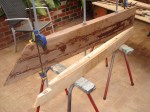
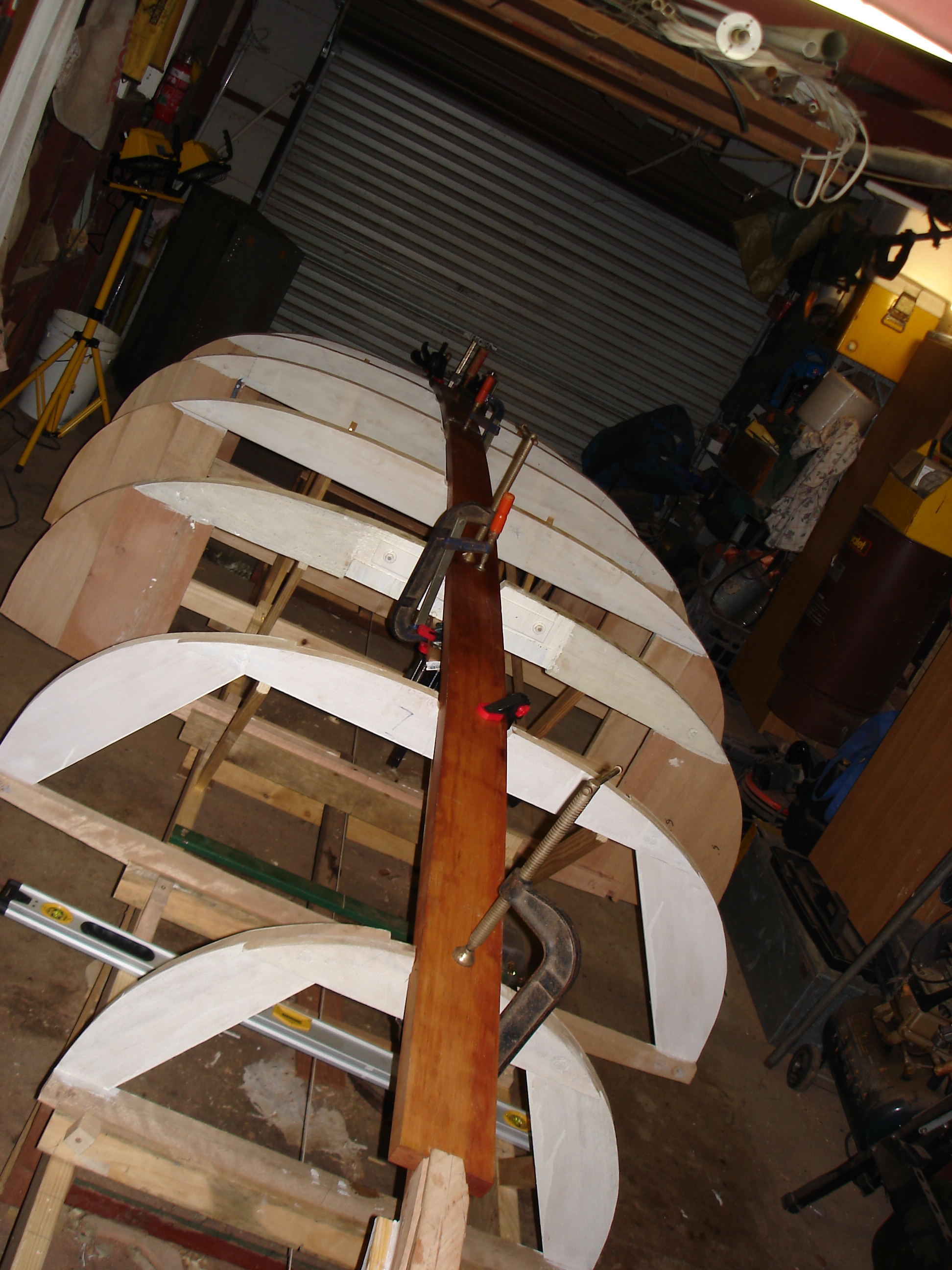
The keel… The dead-wood part!  November – December 2010

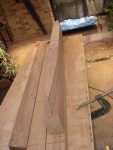
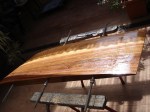
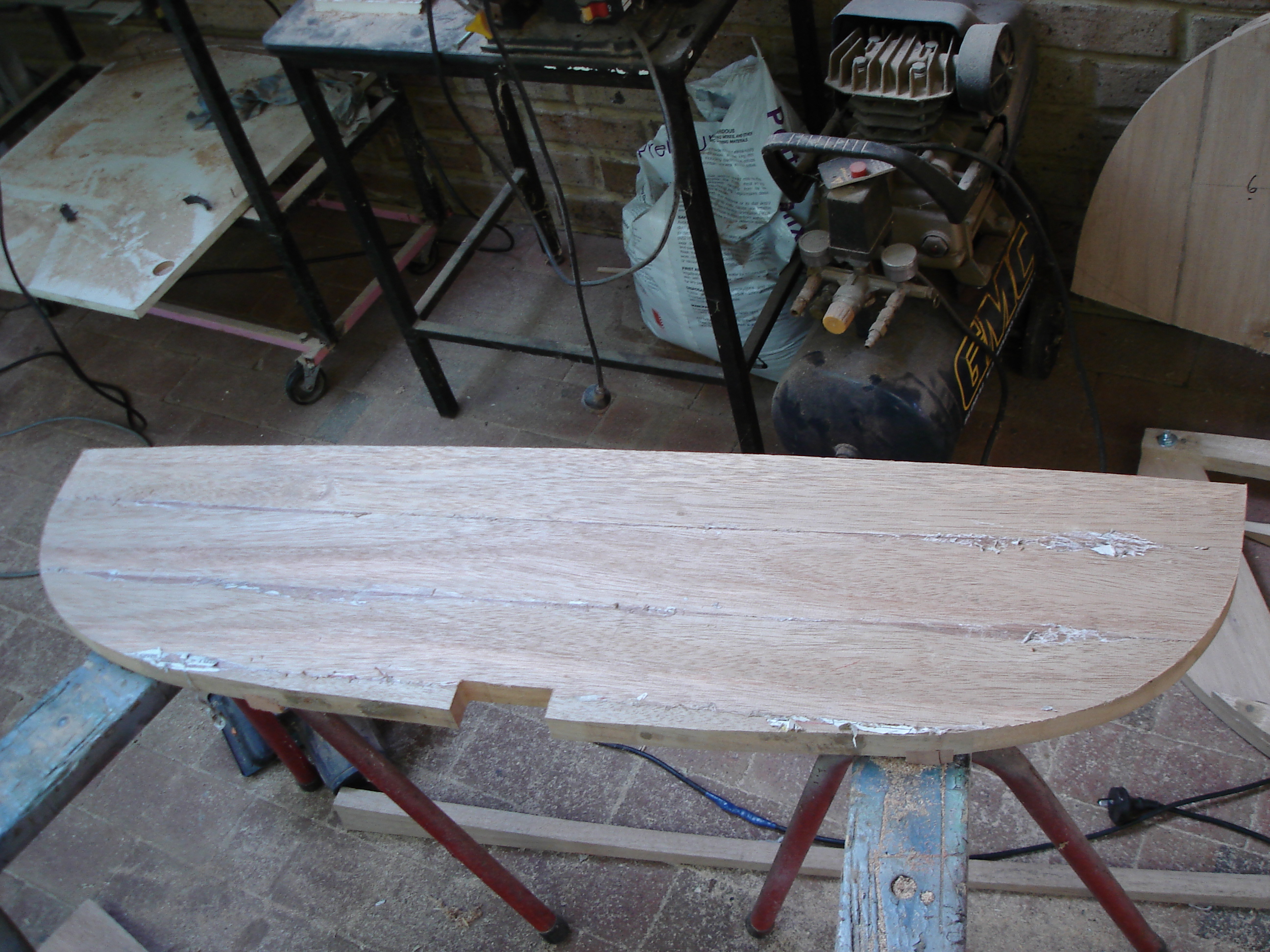
The timber for the keel is 100+ years old. It came from some verandah posts given to me by a friend.

It is wandoo and very heavy and dense, also it doesn’t float! (which is a good thing, I think!)

The Gaff and the Boom.

The gaff and the boom    October 2011

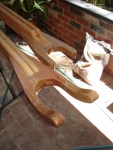
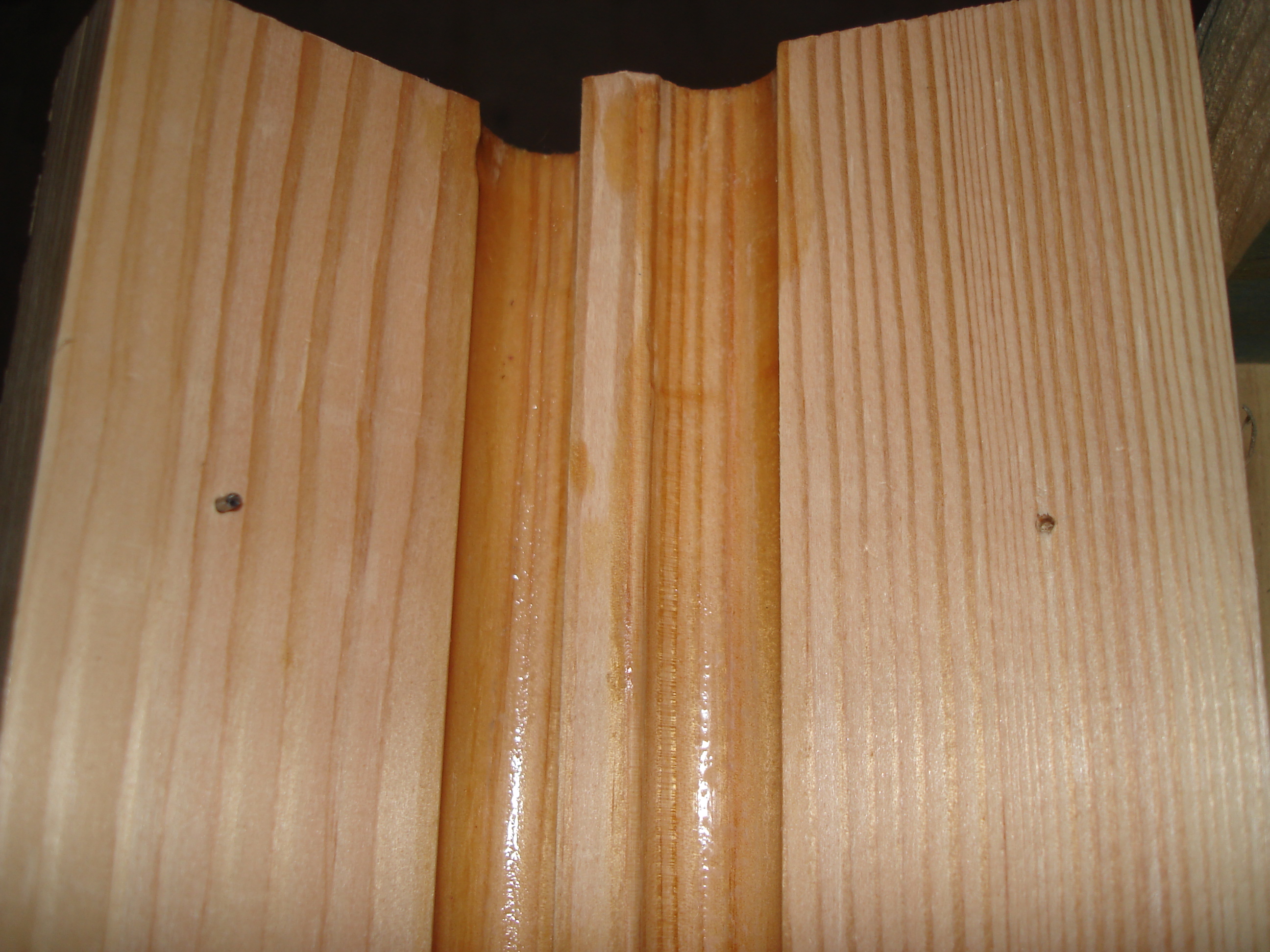
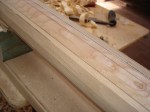
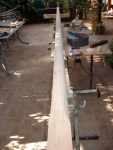
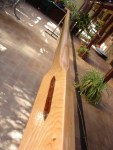
The gaff and the boom are made out of two lengths of Oregon glued together. The sail groove is routed in before gluing.

The claws for both spars are from the original design and is mandatory  for the gaff. The boom is allowed to be fitted with a conventional swivel goose-neck.  I am going for the original design, may be to be modified later. See how it goes.

Note the locating pin to make sure the half circle grooves  line up perfectly when glued up.
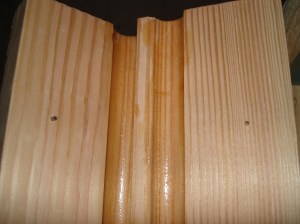
sail groove

Making the Mast

Making the mast round:  The base is  85mm square for about 250mm  . Then progresses from a diameter of 75mm to  a diameter 85mm (about the middle).  It then tapers to a diameter of 60mm at the top of the mast.  If you are interested in the geometry of making a mast go to http://www.wikihow.com/Make-a-Solid-Boat-Mast

September– October 2011

Making the Mast

Shaping the square mast:

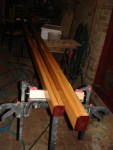
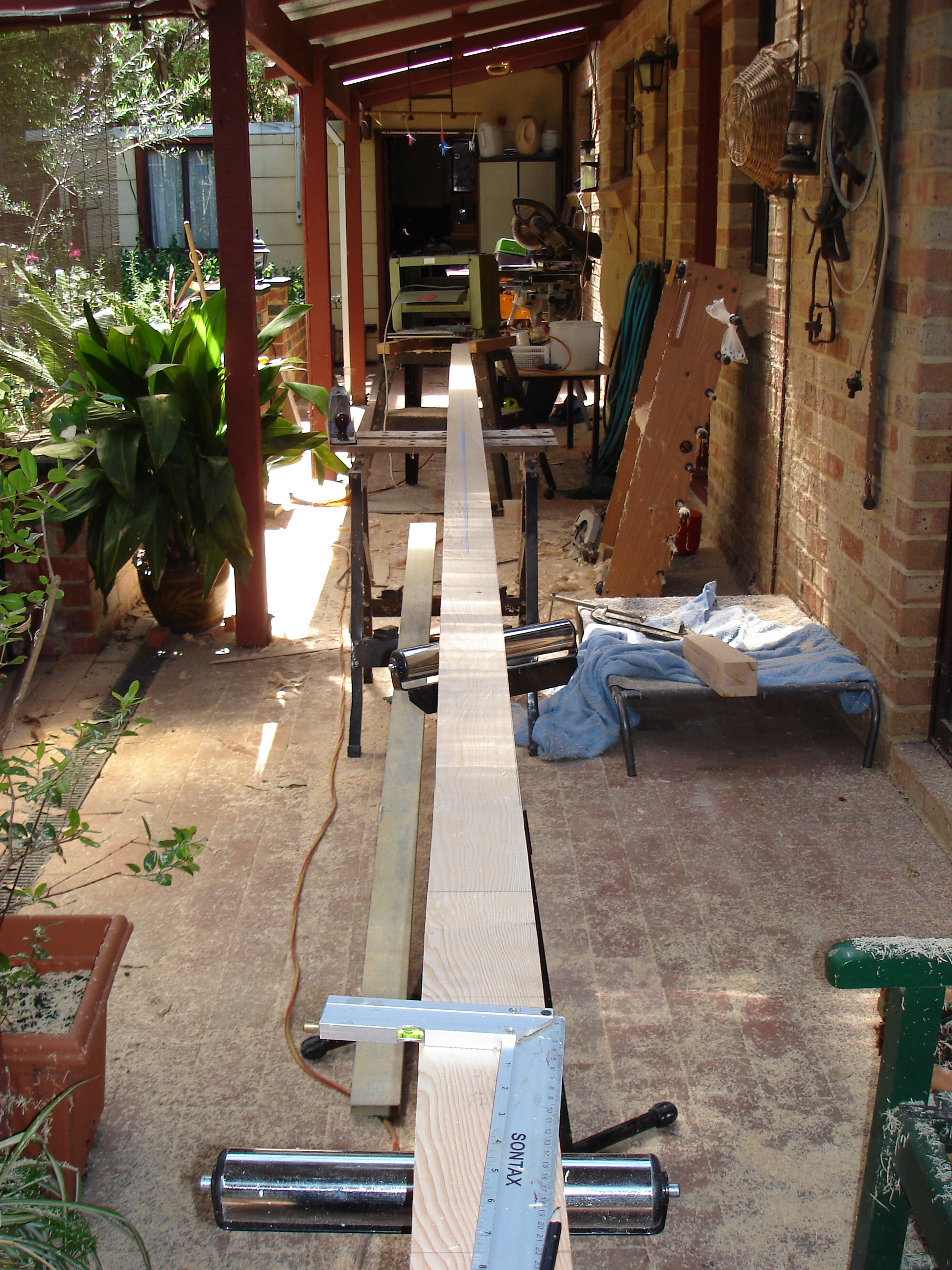
The mast is laminated from 3 lengths of Oregon glued up.

It is first sawn and planed to size.  I marked the middle line first on 2 adjacent sides and from there marked the different widths along the length. This gave me a square ‘mast’ with a width of 87mm tapering from the middle  to 65mm at the end.  The next steps involve making the mast round.

The square mast

The Seats

The seats are made out of Tasmanian Oak glued and screwed (s/steel ) and finished with jarrah plugs

Rudder and Skeg


rudder and skeg July 2010

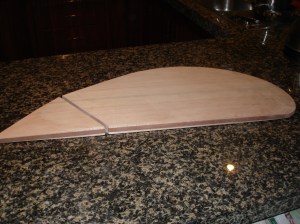
The rudder and skeg are made from Tassie oak with a jarrah inlay along the edge’

They were made from 3 boards glued and feathered


Marking out the rudder and skeg


the planks, feathers and templates

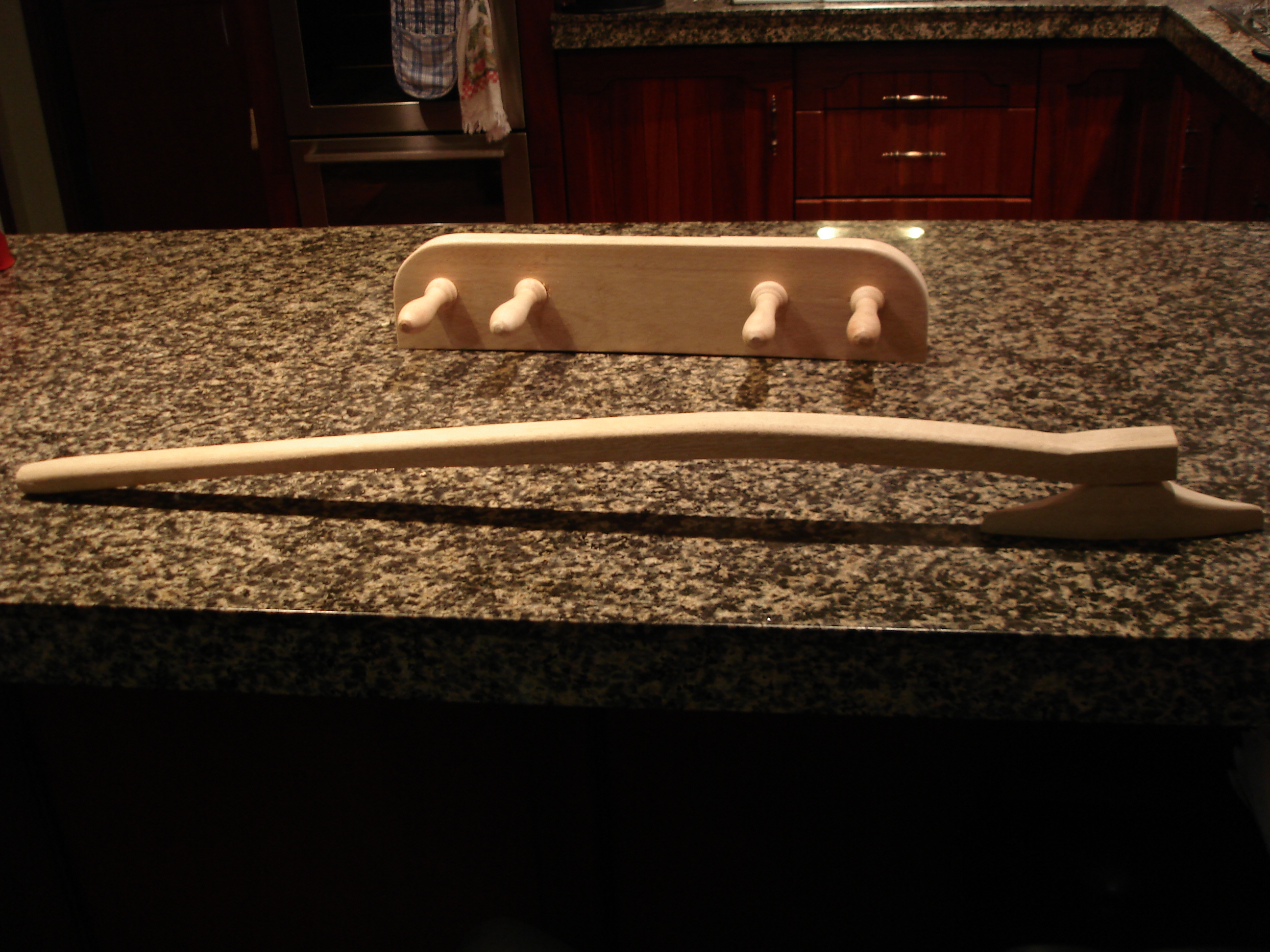
Belaying Pin Board and Pins. Tiller

The belaying pin board sits up against the front of the mast tabernacle.

The tiller is a proto type, still deciding about the shape.

Transom

Transom July 2011

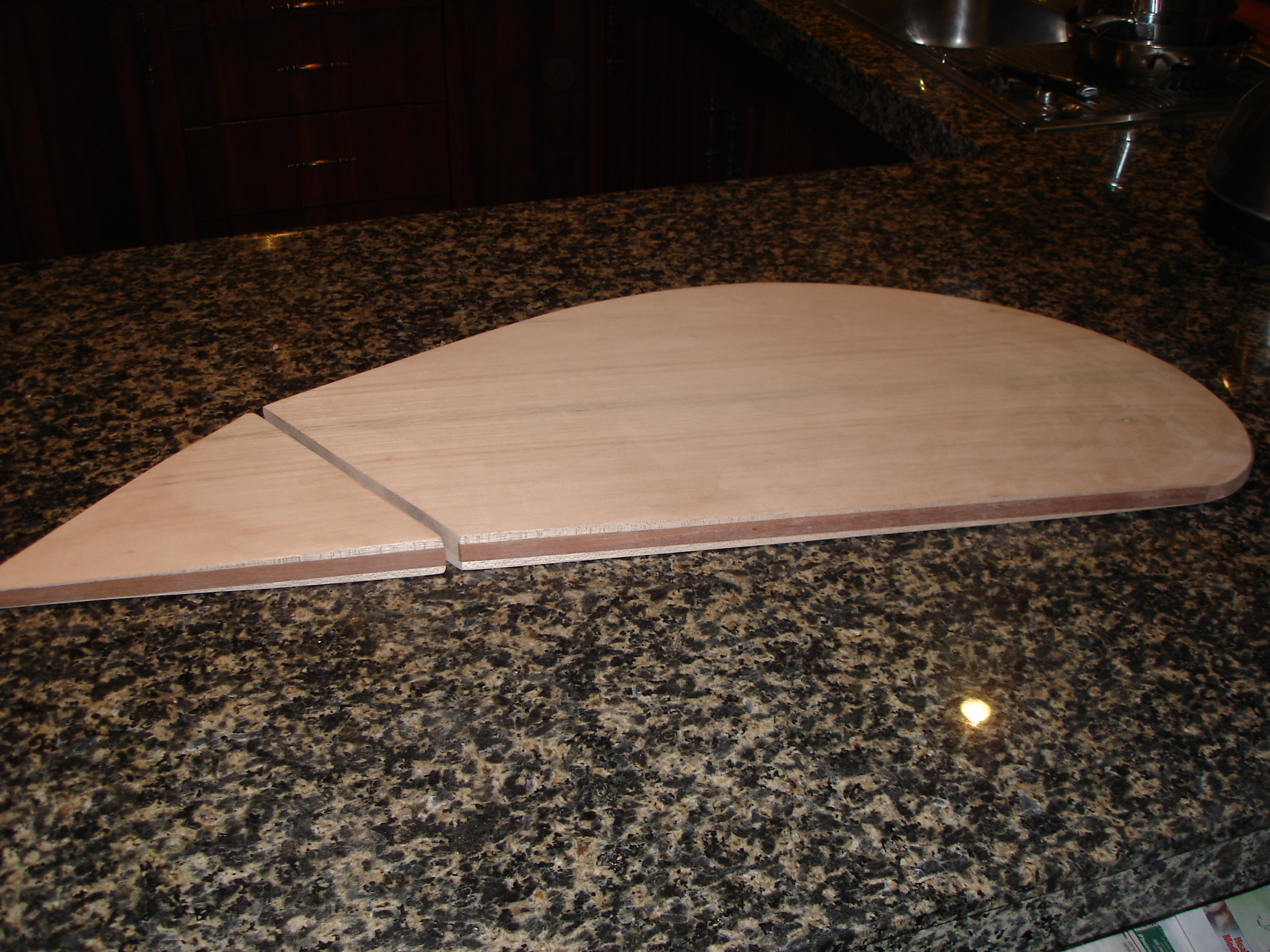
The transom is 23 mm thick and made out of 3 planks. It will eventually be covered by an other 10mm thick layer to hide the ends of the slats fastened to the first.

Keel Plank

Placing the keel plank July 2011

DSC05070

The keel plank is the back bone of the boat. I soaked it for a week to get the curve in it.

The Bow Stem

Making the bow stem

Note the rebate for the hull slats to fit into.